Hi
HOW TO TELL IF SPEECH THERAPY FOR APHASIA IS WORKING
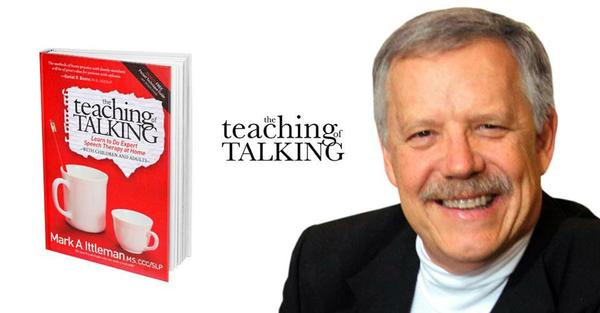
Moshe Mark Ittleman, M.S., CCC/SLP
Senior Speech Language Pathologist
Helping people improve their talking For over 45 years
People frequently want to know how they can tell if speech therapy is working, or whether the person with aphasia is actually improving.
Some would think it is all about standardized tests that purport to measure what a person is capable of in terms of speech, language, and how their brains process information, memory etc. These results usually give standard scores which often indicate performance measures. To the layman, they look impressive. However, they have little relationship to how a person will do who has aphasia when it comes to predicting improvement or prognosis for recovery of speech with speech therapy. That is
something that is solely contingent on the therapist and/or the methods used to address the improvement of talking.
How To Tell If The Person With Aphasia is Improving in Talking
To the experienced or expert “ear” and even to those who are familiar with the person with aphasia and those who are learning The Teaching of Talking 2.0 the ways to assess client performance are really quite simple.
Firstly, the person at home who is working with the person with aphasia learns how to help him/her talk. Words and phrases are stimulated that help the person with aphasia speak at home in the various situations of everyday living.
The ways to tell if speech and language stimulation are working:
- The latency time between the asking of a question and the answer shortens.
- Answers to questions or requests are answered more quickly with stimulation.
- Also with time the complexity of language and the length of the reply are measured with a conventional language sample and show improvement.
- The speed of not only the time it takes to answer increases but also the rate at which the person is expressing words or phrases.
- The enjoyment that occurs when both the caregiver and person with aphasia talk regularly throughout the day.
- The spouse or family member measures the number of responses to questions or the number of questions posed by the person with aphasia which at first are stimulated with cues, and gradually the cues fade and the person with aphasia begins to talk or make requests or give answers without them.
Those are the real indicators of speech and language improvement rather than standardized test scores which are not truly indicative of what a person with aphasia is capable of and only gives numerical scores which make little to no sense to anyone who truly wishes to help a person with a speaking difficulty talk.
- They don’t show whether a person has improved in their talking or the prognosis for improvement.
- Those who are close to the person with aphasia and understand the talking improvement process can realize and truly understand actual speech improvement.
- Formal language samples which are recorded video sessions and transcribed talking samples also are valid indicators of recovery in talking.
For those who would like to learn The Teaching of Talking 2.0 and receive personal mentoring from me,
Please drop me a line indicating your desire and we will share how you can personally meet with me to learn The Teaching of Talking 2.0 to help those with aphasia or severe speaking difficulties regain the ability to talk or talk better. .
Contact Us Here
Thanks for being a loyal email subscriber. We appreciate hearing from you. Let us know if you ever have any questions.